The Homestead Festival has officially come and gone for 2023, and boy it was a good one! I am going to be compiling all of my notes from the speakers’ sessions and add them to my blog just for you! 😉
The first session we attended on Friday was “Preserving Food in the Modern World”, a talk by Ann Accetta-Scott!
Preserving food is essential for homesteaders. A summer garden (usually) yields far too much to be consumed at once, and it sure would be a shame to let that food that you worked so hard for to go to waste. This is where preserving comes in!
There are multiple ways to preserve food such as fermenting, canning, cold storing, curing, dehydrating, and freeze drying. The first 3 are the most commonly used, but freeze drying is growing more and more popular!
Ann said there’s a mentality switch when you first start homesteading, and I whole heartedly agree! You have to decide whether you want to be a consumer or a producer. While it would take a lot of time and hard work to be totally self-sufficient, it’s not impossible!
One of the tips I heard most over the course of the festival was you have to find your community! Find others that do what you want to do. Learning from others in your community that are gardening and preserving seems to be more beneficial than learning by reading or watching videos, but that’s just my opinion!
Preservation Methods
Fermenting:
Ann said this was her go-to way to preserve vegetables from her garden! 70% of your immune system runs through your gut, so if your gut isn’t healthy, YOU aren’t healthy!
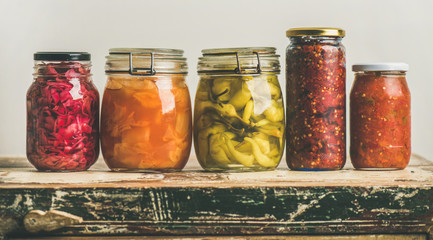
There are multiple fermentation recipes such as kimchi, pickling, kombucha, sourdough, etc. You can also ferment items to your own taste. A 7 day ferment will have a milder taste, while a 10 day ferment will really pack a punch!
Ferments and starters will compete with each other! If you have a sourdough starter and a garlic fermentation going at the same time too close to each other, one’s bacteria may take over and kill the other! It’s recommended to store different varieties of ferments and starters at least 5 feet from each other. Although, if you have two garlic ferments next to each other, they will be fine! Just don’t store different methods of ferments near each other 🙂 nobody wants a kombucha and kimchi knock-down drag-out!
Dehydrating:
Humans have been dehydrating foods for thousands, I mean THOUSANDS, of years. Sun drying was a common practice then that is still used today, though most people use electric dehydrators.
Canning:
Canning is probably one of the most popular food preservations, especially here in the south. My grandmother has canned food for my whole life and is still going strong! It’s a great way to preserve your harvest for the remainder of the year.
Water bath canning is the recommended method for beginners. Pressure canning takes a little more work and attention!
Cold Storage:
Cold storage is great for your root vegetables like potatoes, carrots, and onions. You want to use foods that naturally store longer than others. These items should be stored in a cool, dark area with little humidity, such as in your basement, a cabinet, a shed, anywhere that stays dark and cool! Ann even said she had stored garlic under the porch of her house before! Make sure you do a weekly inventory to pull out any items that are beginning to spoil. If they aren’t discarded, they can ruin the whole batch!
Curing:
Curing meats can be tricky. You HAVE to know what you are doing to avoid bad bacteria growing on your food. Curing usually involves curing salt or a brine. I have to admit, I’m a little intimidated by this method!
Freeze Drying:
The newest method of preservation, and absolutely the most expensive! While freeze dried foods are being sought after for their longevity, having a freeze dryer is not very cheap! The freeze dryer itself can cost upwards of 3,000 dollars. They also are expensive to run. If you have the money to spend, go for it!
 Roots of a Southern Kitchen